
SolarEnergySustainability

Solar Energy for Industrial Facilities: Feasibility Basics

A practical overview of industrial solar energy: economics, system components, technical factors and a simplified feasibility study.

1 Feb 20264 min read
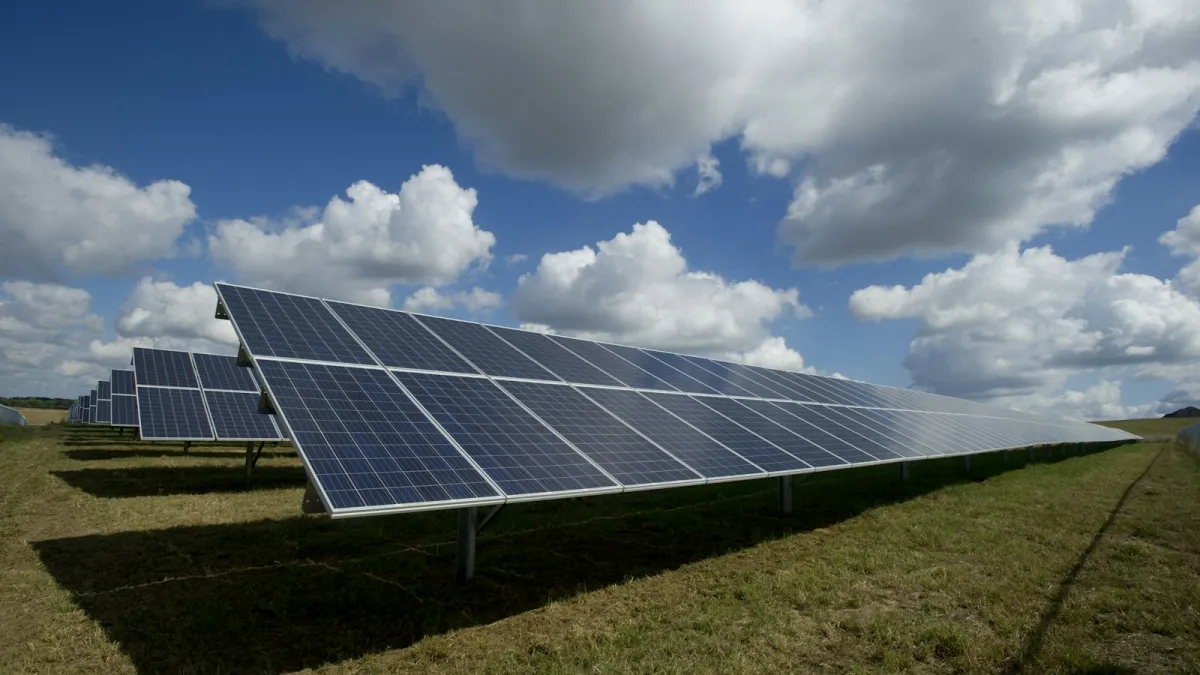
Industrial solar power system on facility rooftops
<div class="mx-auto max-w-3xl px-4 sm:px-6 lg:px-8"><div class="flex flex-wrap items-center gap-4 border-b border-border/60 pb-6"><span class="inline-flex items-center gap-2 text-sm text-muted-foreground"><span class="h-1.5 w-1.5 rounded-full bg-primary"></span>1 Feb 2026</span><span class="inline-flex items-center gap-2 text-sm text-muted-foreground"><span class="h-1.5 w-1.5 rounded-full bg-primary"></span>4 min read</span><div class="flex flex-wrap gap-1.5"><span class="rounded-full border border-primary/20 bg-primary/8 px-2.5 py-0.5 text-[11px] font-bold text-primary" style="color:#0a5f70">Solar</span><span class="rounded-full border border-primary/20 bg-primary/8 px-2.5 py-0.5 text-[11px] font-bold text-primary" style="color:#0a5f70">Energy</span><span class="rounded-full border border-primary/20 bg-primary/8 px-2.5 py-0.5 text-[11px] font-bold text-primary" style="color:#0a5f70">Sustainability</span></div></div> <div class="relative mt-8 overflow-hidden rounded-2xl border border-border/60 shadow-glow"> <div class="relative aspect-[16/9] w-full bg-muted/30"> <img fetchpriority="high" src="https://smarteleco.com/wp-content/uploads/sec/blog-solar.webp" alt="Solar power system running industrial pumps - Smart Electric Company SEC" class="h-full w-full object-cover" decoding="async"/> </div> <div class="pointer-events-none absolute inset-0 rounded-2xl ring-1 ring-inset ring-white/10"></div> </div><div class="mt-10 space-y-8"><h2>The Economic Benefits</h2> <p>The first economic benefit of industrial solar comes from cutting the electricity bill during daylight hours, usually the peak hours when tariffs are at their highest. A factory running a day-shift can cover a large share of its consumption directly from the panels without expensive storage systems. And with volatile conventional energy prices, the facility shifts from being a passive consumer of those fluctuations to a partial energy producer, improving both cost predictability and competitive position. Add the long operating life (beyond twenty-five years) against a low annual maintenance cost that usually stays within one to two percent of the investment value.</p> <h2>Components of an Industrial Solar System</h2> <p>The system consists of monocrystalline or polycrystalline photovoltaic panels selected according to available area, budget and required efficiency; industrial inverters converting DC into AC compatible with the facility's network; mounting structures engineered for wind loads and optimal irradiation angles; plus protection and earthing systems and UV-resistant solar cabling. The package is completed by a monitoring platform that tracks production in real time and flags any fault early, before it escalates. The quality of these components and their engineering compatibility is what separates a system that runs efficiently for decades from one that degrades after two seasons.</p> <h2>Technical Factors to Study</h2> <p>Before execution we study site shading and the available roof or ground area, the structural condition of the roofs and their capacity for the new loads, the optimal tilt (southerly in the northern hemisphere, at an angle close to the site's latitude), and the summer temperatures that affect panel efficiency, plus grid stability and how well the system will integrate with backup generators where present. Together these factors determine the practically implementable size, not the theoretical size computed from solar irradiation alone, which is why we always recommend an on-site field study before any financial commitment.</p> <h2>Grid Connection Options</h2> <p>Industrial systems are usually built as one of three options: the on-grid system, the most economical, where production is consumed directly and surplus is exported to the grid where regulations allow; the hybrid system, which adds batteries to secure critical loads during outages; and the off-grid system for sites far from the network, such as pumping stations and telecom sites. Each option carries a different investment cost and use case, and a careful engineering study determines the right choice based on the facility's consumption pattern, the reliability of the local grid and its operational-continuity priorities.</p> <h2>A Simplified Feasibility Study in Numbers</h2> <p>As indicative figures: a 100 kWp system in the Syrian climate produces roughly 150 to 170 MWh per year. If the industrial tariff is, say, ten cents per kWh, annual savings approach fifteen to seventeen thousand dollars. With an investment cost between sixty and eighty thousand dollars, the payback period falls between four and five years, after which the facility produces near-free energy for more than twenty years. These numbers shift with equipment prices, local tariffs and available financing options, but the investment logic stays the same: clean energy at a predictable cost.</p> <h2>Execution Steps with an Engineering Partner</h2> <p>The project starts with a site visit and collection of actual consumption data, followed by a preliminary feasibility study defining the optimal size and connection option, then detailed studies and executive designs covering electrical and structural drawings and protection plans, then the procurement, installation, testing and trial-run phase, and finally training and handover with a clear periodic maintenance programme. Choosing an engineering partner who covers the entire chain, from study to post-commissioning support, is the real guarantee of this investment's integrity over decades.</p> <h2>Conclusion</h2> <p>Solar energy for industrial facilities is a measured investment decision governed by numbers, not enthusiasm: measurable annual savings, a reasonable payback period, and a long operating life at low maintenance cost. The key lies in a precise engineering study, reliable components and professional execution that respects the specifics of the site and the grid. At Smart Electric Company we help you turn your facility's roof into a real source of savings that serves your next expansion plans.</p></div><div class="mt-12 border-t border-border/60 pt-8"><a href="/blog/" class="inline-flex items-center gap-2 text-sm font-bold text-primary hover:text-accent transition-colors"><svg xmlns="http://www.w3.org/2000/svg" width="24" height="24" viewBox="0 0 24 24" fill="none" stroke="currentColor" stroke-width="2" stroke-linecap="round" stroke-linejoin="round" class="lucide lucide-arrow-right h-4 w-4 rtl:rotate-180" aria-hidden="true"><path d="M5 12h14"></path><path d="m12 5 7 7-7 7"></path></svg>Back to Blog</a></div></div>